Source Interdental Toothbrush for Home Travel and Office
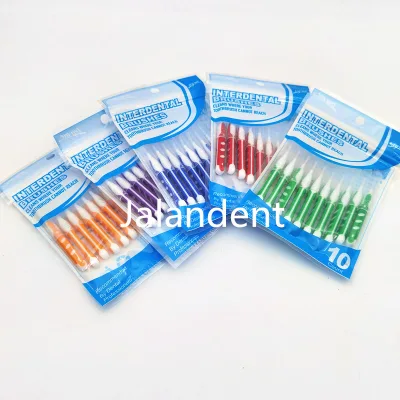
Explore 30 verified listings for the Interdental Toothbrush designed for home, travel, and office use. Buyers can compare specifications like bristle hardness, material, and certifications to find the right oral care solution.
Key considerations
Products List




Comprehensive Sourcing Guide
Strategic Sourcing Guide for Interdental Toothbrushes
Understanding the Product Category and Technical Specifications
The Interdental Toothbrush represents a specialized segment within the broader oral care market, designed specifically to clean areas that traditional bristle brushes cannot reach effectively. When sourcing this category, buyers must first distinguish between the primary forms observed in the market, which include standard interdental brushes and specialized flossing tools. The technical architecture of these products varies significantly based on the intended application, ranging from home use to professional clinical settings.
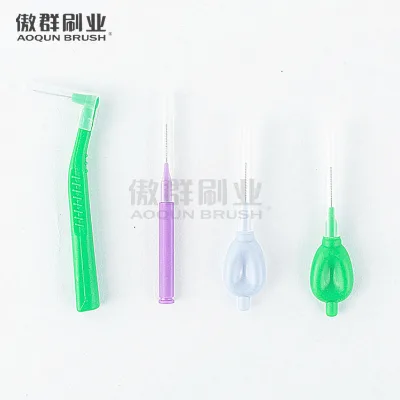
A critical technical attribute to evaluate is the bristle material and composition. In the current supply landscape, polyamide and nylon are the dominant materials utilized for bristle construction. Polyamide offers a balance of flexibility and durability, while nylon provides the necessary stiffness for effective plaque removal. The hardness of the bristles is another pivotal specification; suppliers typically offer "soft" and "medium" hardness options. Soft bristles are generally recommended for sensitive gums or post-surgical care, whereas medium hardness is suitable for general interdental cleaning. The shape of the brush head also dictates its utility; house-shaped and round configurations are common, with the latter being particularly effective for cleaning between tight contacts.
The handle material is another fundamental specification that influences user experience and product longevity. Polypropylene (PP) is the standard material observed for handles, offering a cost-effective solution that is resistant to moisture and chemicals. The overall weight of the product is a subtle but important factor for ergonomics; specific models in the market weigh approximately 0.92 grams, indicating a lightweight design that reduces hand fatigue during extended use. Furthermore, the packaging configuration plays a role in the product's final presentation. Options range from single packing to bulk configurations such as 6 pieces per card or carton, with some suppliers offering fully customized packing solutions to meet specific retail or promotional requirements.
Compliance, Certification, and Regulatory Standards
Navigating the regulatory landscape is a non-negotiable aspect of sourcing interdental toothbrushes, particularly when targeting international markets. The product category is subject to varying degrees of scrutiny depending on the region of sale. In the context of global trade, buyers should verify that suppliers possess a robust portfolio of certifications. The most frequently observed certifications for this product type include ISO 9001, which validates the supplier's quality management systems, and FDA registration, which is essential for entry into the United States market.
Beyond quality management, specific product safety certifications are critical. The presence of CE marking indicates compliance with European health, safety, and environmental protection standards, while SGS certification provides independent verification of product quality and safety. For suppliers targeting markets with strict chemical regulations, BSCI (Business Social Compliance Initiative) and MSDS (Material Safety Data Sheet) documentation are often required to ensure ethical manufacturing practices and safe material handling. Additionally, the product itself may be subject to standards such as ISO and FDA guidelines regarding biocompatibility and material safety.
Buyers must also consider the environmental certifications associated with the product. A growing segment of the market focuses on eco-friendly attributes, with specific products claiming to be biodegradable. This claim requires verification against recognized environmental standards to ensure the material breakdown claims are accurate and not merely marketing assertions. The absence of wax in certain floss-type interdental products is another specification that buyers should confirm, as it affects the texture and feel of the product during use. When evaluating a supplier, the procurement team should request copies of current certificates and verify their validity with the issuing bodies, rather than relying solely on the supplier's word.
Cost Drivers and Pricing Dynamics
The pricing structure for interdental toothbrushes is influenced by a complex interplay of material costs, customization levels, and order volume. The observed price range in the market spans from $0.05 to $1.12 per unit, a wide variance that reflects differences in product complexity, material quality, and packaging. The base cost is heavily driven by the choice of bristle material; polyamide and nylon grades vary in price, and the inclusion of specialized coatings or treatments can further increase the unit cost.
Order volume is perhaps the most significant factor in determining the final landed cost. The Minimum Order Quantity (MOQ) for these products can vary dramatically, ranging from as low as 1 unit for sampling purposes to 30,000 units for full production runs. Suppliers often structure their pricing tiers to incentivize larger orders, meaning the per-unit cost will decrease as the order quantity increases. Buyers must carefully balance their inventory needs against cash flow constraints to optimize their procurement strategy.
Customization is another major cost driver. While standard products are available at the lower end of the price spectrum, any request for custom branding, unique bristle colors (such as transparent or specific custom shades), or tailored packaging (e.g., specific carton configurations) will incur additional tooling and setup fees. The "as your requirement" packing option suggests a high degree of flexibility, but this flexibility comes at a premium. Furthermore, the origin of the product influences cost; products manufactured in regions like Yangzhou or Jiangsu, China, benefit from established supply chains and labor advantages, but logistics costs and import duties must be factored into the total cost of ownership.
Typical Applications and Target Demographics
Interdental toothbrushes serve a diverse range of applications, extending beyond simple home use to professional and travel scenarios. The primary application is oral care and teeth cleaning, specifically targeting the interdental spaces where food particles and plaque accumulate. The product is designed for an adult demographic, with unisex appeal ensuring broad market acceptance. The specific usage contexts include home environments, where daily maintenance is key, as well as travel and hotel settings, where compact and hygienic solutions are preferred.
In the travel sector, the non-foldable nature of most interdental brushes is a consideration; buyers should note that while the brushes themselves are non-foldable, the packaging is often designed to be compact. The application extends to office environments as well, where employees may seek quick and effective cleaning solutions during breaks. The function of the product is strictly defined as teeth cleaning and oral care, with no medical claims beyond general hygiene unless supported by specific clinical testing.
The versatility of the product is further enhanced by its compatibility with various user needs. For instance, the "soft" bristle option is ideal for users with sensitive gums, while the "medium" option serves those with standard oral health needs. The absence of wax in certain floss variants makes them suitable for users who prefer a tasteless and texture-neutral experience. Understanding these application nuances allows buyers to tailor their product selection to specific market segments, whether they are targeting luxury travel kits, budget-friendly home care lines, or professional dental clinic supplies.
Supplier Evaluation and Quality Control Protocols
Selecting the right supplier requires a rigorous evaluation process that goes beyond price comparisons. Buyers should prioritize suppliers who demonstrate a clear commitment to quality control and consistency. The presence of certifications like ISO 9001 is a strong indicator of a supplier's ability to maintain consistent production standards. However, buyers should also conduct on-site audits or request detailed quality control reports to verify that the production process aligns with the claimed specifications.
Quality control checks should focus on several key areas. First, the consistency of the bristle material and hardness must be verified to ensure that every unit meets the specified "soft" or "medium" classification. Second, the structural integrity of the handle, typically made of PP, should be tested for durability and resistance to breakage. Third, the packaging must be inspected to ensure that the product remains hygienic and undamaged during transit. For products claiming to be biodegradable, buyers should request test data or third-party verification to substantiate these environmental claims.
When evaluating suppliers, buyers should also assess their flexibility regarding customization. The ability to accommodate specific requirements for bristle color, packaging, and branding is a sign of a mature manufacturing partner. Suppliers who offer OEM services and can adapt to specific model numbers, such as S302, 2198, or 616, demonstrate a level of operational agility that is crucial for long-term partnerships. Additionally, the supplier's location, such as Yangzhou or Jiangsu, should be considered in the context of logistics efficiency and potential supply chain disruptions.
Long-Term Procurement Considerations and Market Trends
Sourcing interdental toothbrushes is not merely a transactional activity but a strategic decision that impacts long-term business viability. As the market evolves, there is a growing emphasis on sustainability and eco-friendly attributes. Buyers should anticipate increased demand for biodegradable products and be prepared to invest in suppliers who can meet these environmental standards. The trend toward customization also suggests that static product lines may become less competitive; buyers should look for suppliers who can offer dynamic solutions that adapt to changing consumer preferences.
Another critical consideration is the scalability of the supply chain. The wide range of MOQs, from 1 to 30,000 units, offers flexibility but requires careful planning. Buyers must ensure that their chosen supplier can scale production up or down in response to market fluctuations without compromising quality or lead times. The standardization of products, such as the 4S~4L size range or specific packing configurations, provides a baseline for consistency, but buyers should remain vigilant about potential variations in production batches.
Finally, buyers should maintain a proactive approach to compliance and regulatory updates. As global regulations regarding oral care products evolve, particularly concerning materials and environmental impact, suppliers must be able to adapt quickly. Establishing a long-term relationship with a supplier who is committed to continuous improvement and regulatory compliance will mitigate risks and ensure a steady supply of high-quality interdental toothbrushes. By focusing on these long-term factors, buyers can build a resilient supply chain that supports their business growth and meets the evolving needs of their customers.
FAQs
What certifications do Interdental Toothbrush suppliers typically hold?
Suppliers typically hold ISO 9001, FDA, CE, SGS, BSCI, and MSDS certifications. These credentials validate quality management systems and product safety for international markets, ensuring compliance with health and environmental standards.
Which bristle materials are used for interdental toothbrushes?
Polyamide and nylon are the dominant materials used for bristle construction. Polyamide offers flexibility and durability, while nylon provides stiffness for effective plaque removal in tight interdental spaces.
Can I request custom packaging for my order?
Yes, suppliers offer customized packaging options such as single packing, 6 pieces per card, or carton configurations. This flexibility allows buyers to meet specific retail or promotional requirements without compromising product integrity.
What is the minimum order quantity for these products?
The minimum order quantity ranges from 1 unit for sampling to 30,000 units for full production runs. Larger orders often result in lower per-unit costs due to volume-based pricing tiers.
Where are these toothbrushes manufactured?
Products are primarily manufactured in Yangzhou and Jiangsu, China. These regions benefit from established supply chains and labor advantages, though logistics costs and import duties must be factored into the total cost.
Are eco-friendly and biodegradable options available?
Yes, specific products in the market are designed to be eco-friendly and biodegradable. Buyers should verify these claims against recognized environmental standards to ensure material breakdown assertions are accurate.